Film and TV productions generate significant daily waste—from catering scraps and coffee cups to set construction materials and packaging. As highlighted by Flatland Equipment, film sets produce “large volumes of waste every day” including food scraps, set materials, and general garbage (flatlandequipment.ca). Instead of sending this material to landfill, forward-thinking productions are embracing the circular economy on set—transforming waste into reusable resources.
Rethinking Waste Management for Film Productions
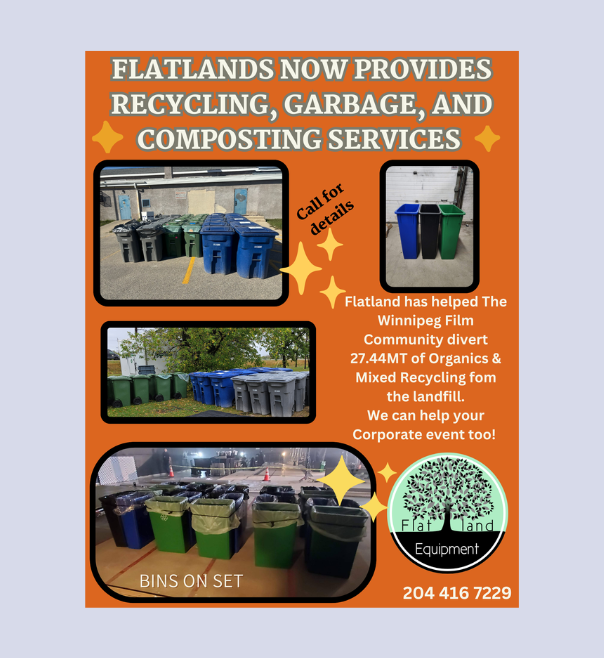
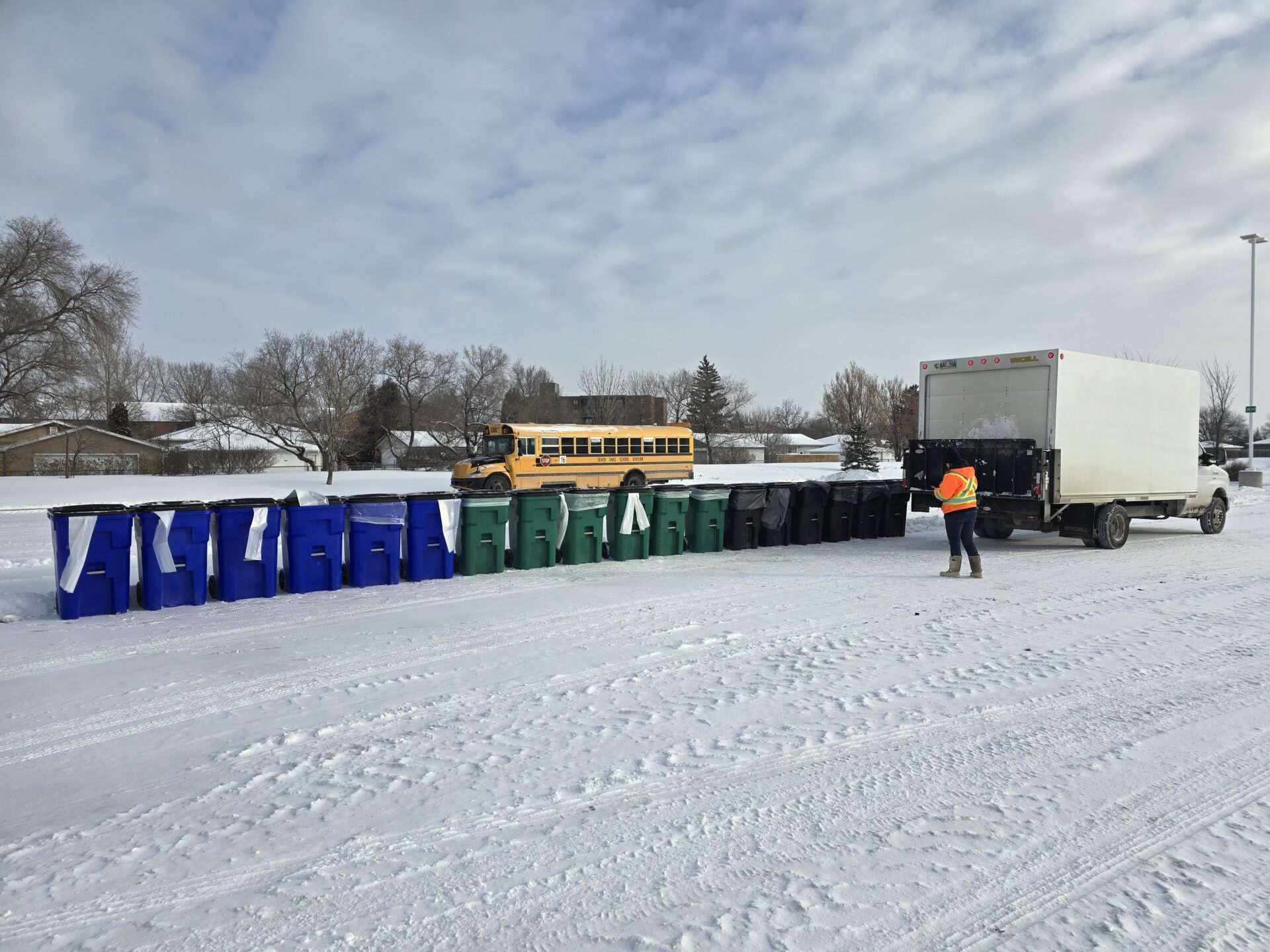
On-set waste management is no longer just about bin rental. Companies like Flatland Equipment offer separate waste streams for general waste, recycling, and composting, helping productions stay environmentally responsible (flatlandequipment.ca). This structured approach makes it easier to divert materials from landfill and redirect them into productive reuse cycles.
Flatland reports helping the film community divert 27.44 metric tonnes of organics and mixed recycling from landfill (flatlandequipment.ca)—a powerful example of how production logistics can directly support sustainability goals.
Organic Waste → Compost & Energy
Catering and craft services are major sources of organic waste on film sets. With daily on-site garbage removal and composting services (flatlandequipment.ca), food scraps can be processed into nutrient-rich compost or renewable energy through anaerobic digestion. This reduces methane emissions while supporting local agriculture and landscaping projects.
For productions filming in Winnipeg and Western Canada, partnering with providers offering recycling, garbage & composting services for movies & film productions (flatlandequipment.ca) ensures organic materials stay in circulation—not in landfill.
Set Materials → Reuse & Repurposing
Temporary builds are essential to storytelling—but they don’t have to be disposable. Lumber, flats, props, and hardware can be:
- Stored for future productions
- Donated to community theatres
- Deconstructed and repurposed
Rental-based models—like equipment rentals for film, TV, commercials, and music videos (flatlandequipment.ca)—already support circular thinking. Renting tents, tables, chairs, and base camp equipment reduces single-use purchasing and extends product lifecycles.
Plastics & Packaging → Closed-Loop Recycling
From water bottles to shrink wrap, plastics are a persistent challenge. By implementing separate recycling bins and documentation tracking for larger productions (flatlandequipment.ca), productions can monitor diversion rates and improve performance over time. Clear signage, crew education, and vendor coordination further increase recycling efficiency.
Building a Sustainable Production Culture
A circular film set requires more than bins—it demands planning. Integrating production support rentals, waste disposal, and logistics services (flatlandequipment.ca) into sustainability planning ensures environmental responsibility aligns with operational efficiency.
As sustainability becomes a priority for studios, producers, and municipalities, adopting circular economy practices on set isn’t just good ethics—it’s smart business. By transforming organic waste, plastics, and construction materials into usable byproducts, film productions can reduce landfill contributions, lower carbon footprints, and lead the entertainment industry toward a cleaner future.
Keywords: Circular economy film production, on-set waste management, recycling film industry, composting services Winnipeg, sustainable film production, production equipment rentals, waste diversion film sets.
- Meeting DGC Sustainability Standards Through Organic Waste Diversion
Sustainability is no longer optional in Canadian film and television production. Through DGC Green and its National Sustainability & Climate Action Committee, the Directors Guild of Canada (DGC) is actively promoting responsible production practices across the country (dgcgreen.ca). For productions looking to align with evolving DGC sustainability standards, structured organic waste diversion is one of the most practical and measurable starting points.
Embedding Sustainability from Day One
DGC Green emphasizes adding a “sustainability lens” to production planning and asking departments whether they have a sustainability plan in place (dgcgreen.ca). Waste diversion—especially composting and organic separation—should be addressed at prep meetings, included in call sheets, and reinforced during crew orientations.
Green production frameworks globally recommend making environmental commitments clear at the beginning of production, appointing a sustainability lead, and communicating goals to all departments (bbfc.de). This structured approach ensures waste diversion is not an afterthought, but an operational standard.
Organic Waste Diversion as a Benchmark
Catering and craft services generate significant organic waste on set. Implementing composting systems, eliminating single-use plastics, and switching to reusable service ware directly supports DGC’s guidance to reduce plastic bottles and encourage recycling and composting (dgcgreen.ca).
Data from green production initiatives show that structured diversion programs can redirect over 60% of production waste from landfill (nyc.gov). For productions reporting sustainability metrics to studios, funders, or guild partners, organic diversion rates provide clear, trackable evidence of compliance with environmental benchmarks.
Circularity Beyond Compost
Meeting DGC sustainability expectations also means thinking beyond food waste. In 2024, DGC Ontario launched the Sustainable Futures Material Reuse Project, enabling productions to donate surplus materials to film schools, with a long-term goal of reducing material waste by 80% (playbackonline.ca). While focused on set materials, this initiative reinforces a broader circular economy strategy—divert, reuse, repurpose.
Building a Compliant, Sustainable Production
To align with DGC sustainability standards:
- Develop a documented waste diversion plan.
- Separate organics, recycling, and landfill streams clearly on set.
- Assign a sustainability representative to monitor compliance.
- Track diversion data for reporting and continuous improvement.
By integrating organic waste diversion programs, productions not only reduce landfill contributions but demonstrate measurable action toward DGC’s mission of making filmmaking “as sustainable as possible” (dgcgreen.ca).
Keywords: DGC sustainability standards, organic waste diversion film production, green film set Canada, DGC Green, sustainable production practices, circular economy film industry.
Learn more:
- Home – DGC Green
- Directors – DGC Green
- Green Departments
- City Launches Groundbreaking Sustainability Initiative for Film and Television Industry
- DGC Ontario launches production material donation program » Playback
Serving Winnipeg & Surrounding Areas
🏙️ Winnipeg Neighborhoods We Serve:
St. James-Assiniboia, River Heights, Transcona, Charleswood, Fort Garry, St. Vital, West Kildonan, North Kildonan, Fort Rouge, St. Boniface, Osborne Village, Exchange District, Corydon Village, Tuxedo, Point Douglas, Inkster, Seven Oaks, Maples, Garden City, Whyte Ridge, Island Lakes, Sage Creek, Bridgwater Forest, Bridgwater Lakes, South Pointe, Royalwood, Richmond West, River Park South, Bridgewater Centre, North Point Douglas.
🌎 Areas Outside Winnipeg We Serve:
Headingley, Oak Bluff, La Salle, St. Norbert, Niverville, Birds Hill, East St. Paul, West St. Paul, Stony Mountain, Lockport, Selkirk, St. Andrews, Lorette, Landmark, St. Adolphe, St. Francois Xavier, Sanford, Starbuck, Ile des Chenes.
Final Call: Secure Your Event Rental Today!
Don’t miss out on the best dates for your event—book early and save! Whether you’re planning a corporate event, festival, wedding, or weekend party, Flatland Equipment has the tents, tables, and seating you need to make it a success.
📞 Call (204) 819-0051 to lock in your date.
💻 Visit Flatland Equipment to explore our rental options.