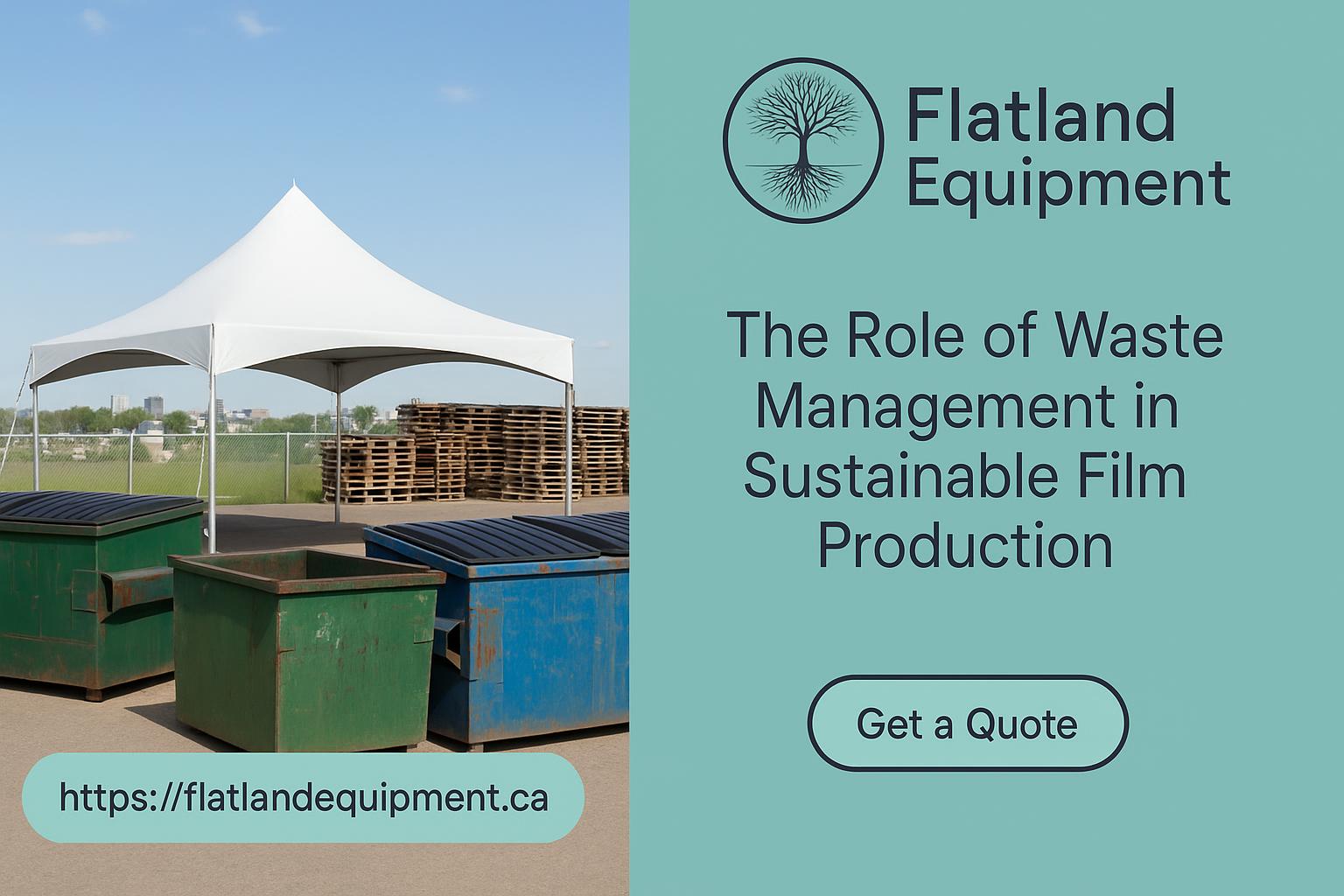
The Role of Waste Management in Sustainable Film Production
Film and TV productions move fast – and they generate a surprising amount of waste even faster. From craft services and wardrobe packaging to set builds, signage, and teardown, a clean site is a safer, more efficient site. That is why corporate garbage removal in Winnipeg is becoming a core part of sustainable film production planning, not an afterthought.
At Flatland Equipment, we support productions across Winnipeg and surrounding areas with practical, set-friendly waste and recycling setups that help reduce risk, stay compliant, and keep your crew focused on the work. 👍
Why waste management now matters on film sets
Manitoba’s production calendar is busy, and the expectations are rising. Municipal standards, location agreements, and on-set safety requirements all point to the same outcome: you need a clear, documented approach to waste handling and site cleanliness.
Good waste management supports sustainability, but it also supports the basics that every production coordinator cares about:
- Cleaner work zones and fewer trip hazards
- Faster resets and smoother teardown
- Reduced complaints from neighbours and property owners
- Lower liability risk around bins, traffic flow, and staging
- More consistent compliance with site rules and municipal expectations
When it is planned early, waste control becomes part of your operational rhythm – not a scramble at the end of a shoot day.
What sustainable waste management looks like in real production terms
Sustainability on set is not only about recycling. It is about controlling materials from arrival to wrap so the site stays safe, tidy, and easy to restore to original condition.
1) Right-size the waste plan to the shoot schedule
A one-day exterior shoot in River Heights has different needs than a multi-week build on a commercial lot. The best approach is to match containers, pickup frequency, and placement to:
- Number of crew and vendors on site
- Build days versus shoot days versus teardown days
- Type of waste (general, cardboard, bottles, food waste)
- Access limits (tight lanes, loading docks, residential streets)
Right-sizing prevents overflow, reduces hauling surprises, and keeps your footprint smaller.
2) Separate waste streams so recycling actually happens
Recycling only works when it is simple and visible. Productions that get strong diversion rates tend to do the same few things:
- Place recycling beside every garbage point (not across the lot)
- Label clearly and consistently
- Use container types that match the waste (cardboard needs more volume than bottles)
- Assign a quick daily check so bins do not get contaminated
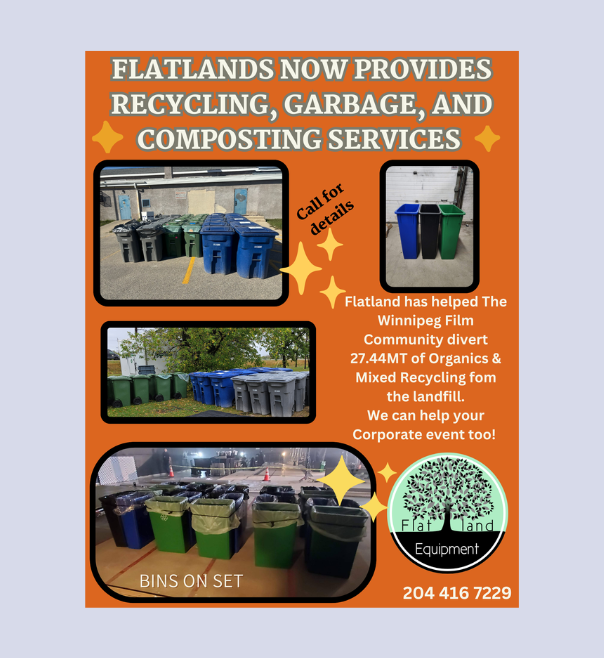
Flatland can help you stage an easy-to-use system with garbage cans, galvanized pails for targeted waste, and designated smoking receptacles so your recycling stays cleaner.
3) Keep the set safe: waste control is safety control
Waste creates hazards when it builds up near walkways, generator zones, exits, and work areas. A strong plan includes:
- Clear bin placement that does not block egress
- Defined cleanup zones near high-traffic areas
- Daily touchups, especially around craft services and staging
- Safe smoking disposal to reduce litter and fire risk
This is where waste management overlaps with traffic and safety planning. If your site has tight access, street parking pressure, or frequent deliveries, you need bins positioned with flow and visibility in mind.
Waste and recycling services that match how productions operate
Film sets are temporary workplaces with changing needs by the hour. Your waste setup should be flexible, scalable, and easy for multiple departments to use without confusion.
Flatland supports productions with a practical mix of equipment and planning support, including:
- Garbage can rental options for set zones, craft, and public-facing areas
- Galvanized pails for targeted disposal needs (paint, small debris, station-based use)
- Butt buckets to keep smoking areas clean and reduce fire risk
- Recycling support to reduce landfill waste during builds and shoots
- On-site placement planning to keep walkways, doors, and work areas clear
If you are managing multiple locations in one week, a consistent waste layout helps your crew move faster. Everyone knows where things go, and your cleanup time drops.
How waste planning supports budgets (and avoids costly surprises)
Film budgets are built on timing and predictability. Waste is one of those line items that can quietly grow if it is not planned early.
Here is how a clean waste strategy helps cost control:
- Fewer emergency pickups because bins are not overflowing
- Less overtime spent on last-minute cleanup before a location hand-back
- Reduced risk of damage or complaints that can trigger extra costs
- Improved efficiency during teardown because materials are already separated
Renting the right containers for the right zones keeps productions agile. Instead of overbuying supplies or improvising storage, you get a setup designed for temporary, high-activity sites.
Seasonal realities in Manitoba: keeping sets clean through real weather
Winnipeg productions do not get a weather pass. Mud season, wind, sudden temperature drops, and early darkness all affect waste control.
Spring and fall: mud, rain, and tracking
Wet ground turns small scraps into a bigger mess fast. A few practical adjustments help:
- Place containers on stable surfaces where possible
- Keep cleanup zones close to work areas so debris does not travel
- Schedule quick end-of-day sweeps so the site does not snowball
Summer: high volume and higher odour risk
Warm days increase the need for more frequent attention around food waste. Keep garbage points close to craft services, and ensure lids or covered options are used where appropriate.
Winter: snow management and access
Winter brings two common issues: blocked access and hidden waste. Bins need to be placed where they will not be buried by plows or snow piles, and walkways need to stay clear so removal stays safe.
In every season, the goal is the same: simple placement, consistent routines, and quick corrections before problems grow.
Waste management, permits, and compliance: what productions should consider
Different locations and municipalities may have different expectations for waste storage, street use, and site restoration. While requirements vary based on the location agreement and the space you are using, it helps to plan for:
- Keeping public areas clean around sidewalks and entrances
- Preventing overflow or windblown litter on neighbouring properties
- Maintaining safe access routes for vehicles and pedestrians
- Using clear signage where traffic flow or staging needs direction
If your production has complex access, multiple vendors arriving, or tight loading areas, coordinating waste placement with traffic control planning can prevent bottlenecks and reduce safety incidents.
How tent rentals support sustainable film production (yes, really)
Waste reduction is easier when your site is protected and organized. Tent rentals can play a quiet but important role in sustainability by reducing weather-related damage, preventing ruined materials, and keeping waste contained.
Flatland’s tent-rental expertise helps productions create cleaner, more controlled zones such as:
- Covered craft services to reduce food exposure and windblown packaging
- Wardrobe and HMU staging to protect garments, cases, and consumables
- Equipment and props holding to reduce moisture damage and rework
- Break areas that keep trash and recycling consolidated in one predictable zone
Covered areas also help with end-of-day cleanup, especially during rain or snow. When waste stations stay dry and visible, crews use them properly and the site stays sharper.
If you are planning a tented zone, place waste and recycling stations at entrances and high-use areas, and keep them clearly labeled. That small step improves diversion and cuts down on litter across the location.
Practical set layout tips for cleaner, safer locations
Whether you are filming a residential exterior in St. James-Assiniboia or staging a larger footprint near commercial areas, these layout principles make waste systems work:
- Put waste where decisions happen: near exits, craft, staging, and high-traffic corners
- Use paired stations: garbage plus recycling together
- Keep bins out of pinch points: ramps, doors, narrow sidewalks, generator access
- Plan for wind: lids, weighted placement, and sheltered positioning where possible
- Do a quick daily reset: a 10-minute check prevents an hour-long cleanup later
This is especially helpful on multi-day shoots in areas like River Heights, where maintaining a tidy footprint keeps neighbours supportive and reduces location friction.
Service area: Winnipeg and surrounding communities
Flatland Equipment supports film and TV productions across Winnipeg, including St. James-Assiniboia, River Heights, Royalwood, and beyond. Filming outside the city? We also support surrounding areas like Headingley and Niverville, with practical coverage designed for mobile production schedules.
Wrap-ready waste management that keeps production moving
The best waste plan is the one your crew can follow without thinking. When bins are placed correctly, recycling is obvious, and cleanup is built into the day, you protect your schedule, your location relationships, and your sustainability goals.
If you want a cleaner set, smoother teardown, and a more professional footprint that location owners appreciate, Flatland can help you build an environmental control plan that fits your production reality.
Reach out to Flatland Equipment for a customized waste and recycling strategy for your next shoot. Visit https://flatlandequipment.ca/ or call 204-416-7229.