Why Food Waste Diversion Matters for the Environment
Food waste is more than a disposal issue. It is an environmental, operational, and compliance concern that affects corporate sites, public events, industrial staging areas, and municipal operations across Winnipeg. When businesses plan smarter waste systems, they reduce landfill pressure, lower contamination, improve site cleanliness, and support safer operations. For organizations looking at corporate garbage removal Winnipeg, food waste diversion should be part of the discussion from the beginning. It is not just about where waste ends up. It is about how a site performs, how risk is managed, and how environmental standards are maintained.
At a practical level, food waste diversion means separating compostable material from general garbage and recyclables. This step can significantly reduce the amount of waste sent to landfill. When food waste is buried in landfill, it breaks down without oxygen and produces methane, a greenhouse gas far more potent than carbon dioxide. Diversion programs help reduce those emissions while also making waste disposal services Winnipeg businesses use more efficient and more accountable.
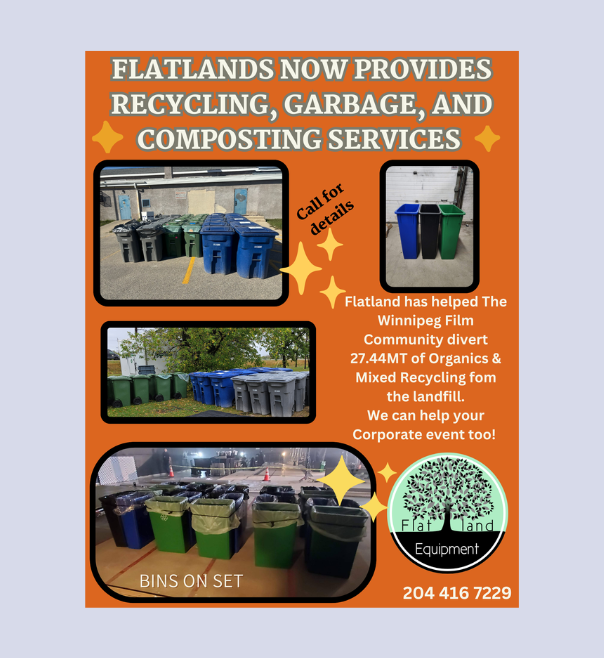
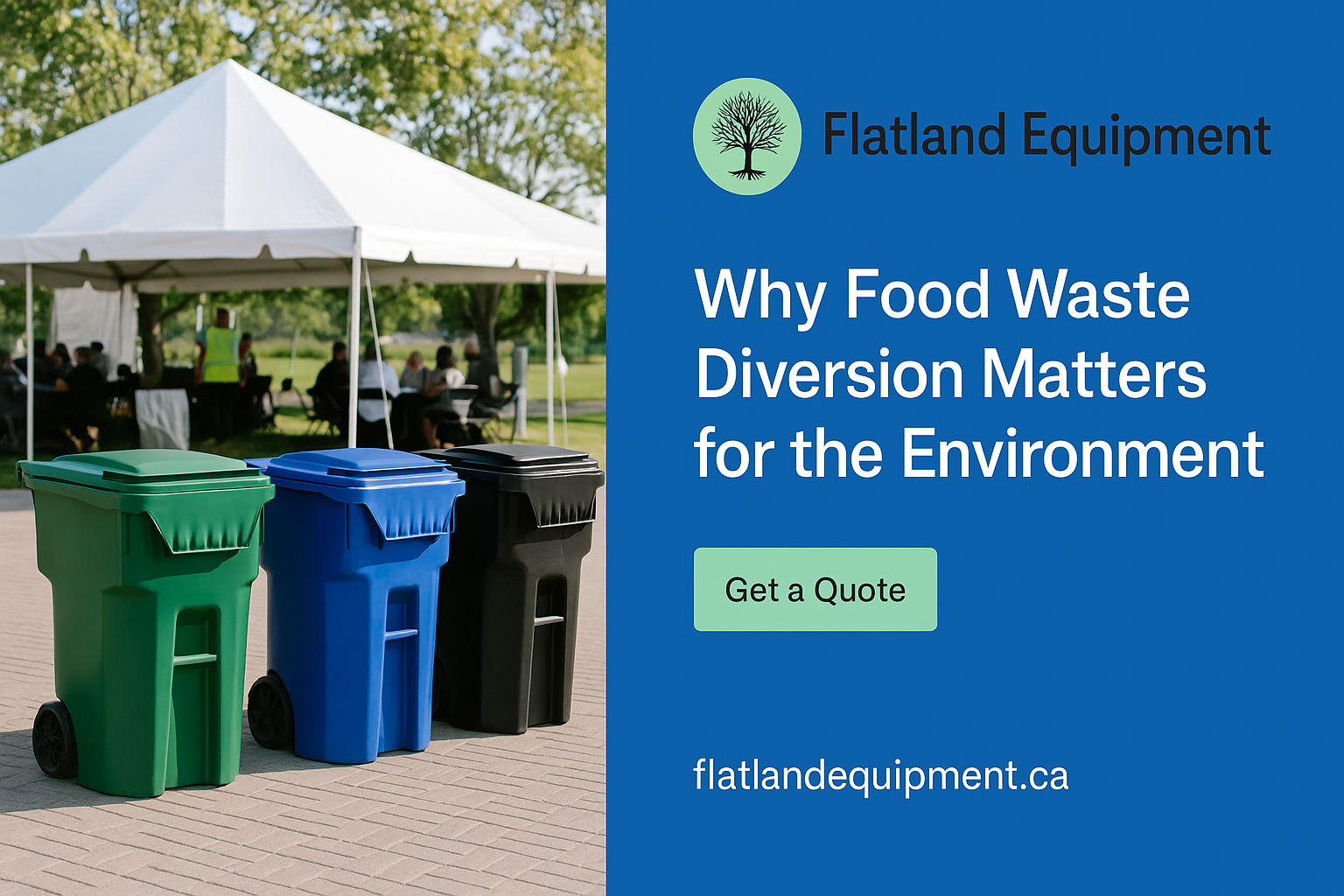
For corporate events, film sets, festivals, municipal sites, and construction support areas, food waste diversion also improves cleanliness. Mixed waste streams create faster bin overflow, unpleasant odours, pest attraction, and higher contamination rates. That leads to unnecessary cleanup costs and operational disruption. With clearly marked garbage cans, recycling bins for events Winnipeg planners can deploy, and compost collection points, a site becomes easier to manage and easier to keep presentable for staff, guests, vendors, and the public.
This matters even more during fall-to-winter planning in Winnipeg. Cooler weather may reduce some odour issues, but wet conditions, early snow, and slushy staging areas make waste control harder if systems are not set up properly. Food waste mixed into general garbage becomes heavier, messier, and more difficult to remove cleanly. A structured diversion plan supported by commercial garbage bin rental, galvanized pails, and organized cleanup stations helps sites stay cleaner through changing weather conditions.
Environmental performance is only one side of the value. Risk reduction is the other. HR teams, logistics managers, safety officers, and facility managers all understand that unmanaged waste creates hazards. Food scraps left around collection zones can lead to slip risks, trip points, leaks, and sanitation concerns. At events and active job sites, this affects both worker safety and public confidence. Proper station setup, frequent pickup, and supporting tools like garbage picker rentals Manitoba teams can use all contribute to safer and more controlled site conditions.
That is why waste planning should be treated as part of environmental control, not as an afterthought. Flatland supports corporate environmental control Winnipeg organizations need with inventory and site support that fit both indoor planning and outdoor industrial use. This includes garbage can rental Winnipeg businesses can rely on, recycling bins, butt buckets, galvanized pails, and garbage pickers that help crews maintain clean zones throughout the day. When required, traffic control and safety gear can also support safer movement around cleanup areas, loading zones, and restricted staging spaces.
For multi-day events and extended operations, consistency matters. A single day of weak waste control can affect the entire site. Overflowing bins, poor sorting, and delayed removal can damage event flow and increase labor demands. For film and television productions, waste clutter can interfere with movement, equipment staging, and set presentation. For municipal and public-facing operations, visible waste issues quickly become a reputation problem. Reliable corporate recycling services Manitoba teams can integrate into the site plan help maintain order from setup to teardown.
Budgeting also improves when food waste diversion is planned properly. Many organizations assume that adding more bins means adding more cost. In reality, better sorting often reduces total waste volume in garbage streams, improves collection efficiency, and lowers the chance of expensive cleanup interventions later. It also helps planners forecast what inventory is needed. Some sites need a balanced mix of garbage cans and recycling bins. Others may need galvanized pails, butt buckets near smoking areas, and garbage pickers for active patrol cleaning. Matching the inventory to the site reduces overspending and improves performance.
Setup and teardown are where many waste plans succeed or fail. A professional cleanup layout should consider traffic paths, food service areas, crew access points, weather exposure, and end-of-day removal schedules. Stations should be visible, logically placed, and supported by signage that makes sorting simple. If permits, municipal requirements, or internal compliance procedures apply, those should be reviewed early. Safety signage and controlled waste zones can also help support event cleanup Winnipeg teams handling larger public or corporate gatherings.
Food waste diversion is especially valuable at sites with high guest turnover and ongoing service activity. Corporate functions, seasonal community events, industrial open houses, and film production setups all generate mixed waste quickly. If disposal systems are not built into the site plan, the result is reactive cleanup instead of controlled operations. Businesses that work with experienced waste disposal services Winnipeg providers are in a better position to maintain compliance, improve guest experience, and reduce avoidable mess.
Monthly and seasonal cleanup programs can strengthen these results even further. For companies managing recurring events, rotating operations, or exterior staging areas, a scheduled support plan creates consistency. It helps keep inventory available, cleanup standards aligned, and waste zones ready for changing site demands. This is particularly useful for fall and winter programs where weather can disrupt access and increase the need for disciplined cleanup procedures.
Flatland’s process is built around practical support, environmental professionalism, and clean execution. From bin placement strategy to multi-day cleanup support, the goal is to help organizations manage waste with fewer surprises and less risk. That includes solutions for corporate events, municipal operations, construction-adjacent staging, safety departments, and film or TV production environments. If your broader site planning also involves temporary infrastructure, you can coordinate with Flatland through their corporate support page here: https://flatlandequipment.ca/contact-us-page/?utm_source=chatgpt.com.
Flatland proudly supports Winnipeg and surrounding Manitoba service areas with dependable environmental control solutions. Whether the need is for corporate garbage removal Winnipeg teams can schedule in advance, recycling support for public events, or cleanup inventory for industrial and municipal use, the focus stays the same: cleaner sites, better compliance, and safer operations.
If your team is planning an event, production, seasonal program, or active site that will generate food waste, now is the time to build diversion into the budget and operations plan. Safety teams, HR planners, municipal leaders, film coordinators, and operations leads all benefit from a cleaner and more controlled site. Contact Flatland to arrange support, review inventory, and secure the right waste and recycling setup before schedules fill. Call (204) 819-0551 or visit https://flatlandequipment.ca/contact-us-page/?utm_source=chatgpt.com to get started.