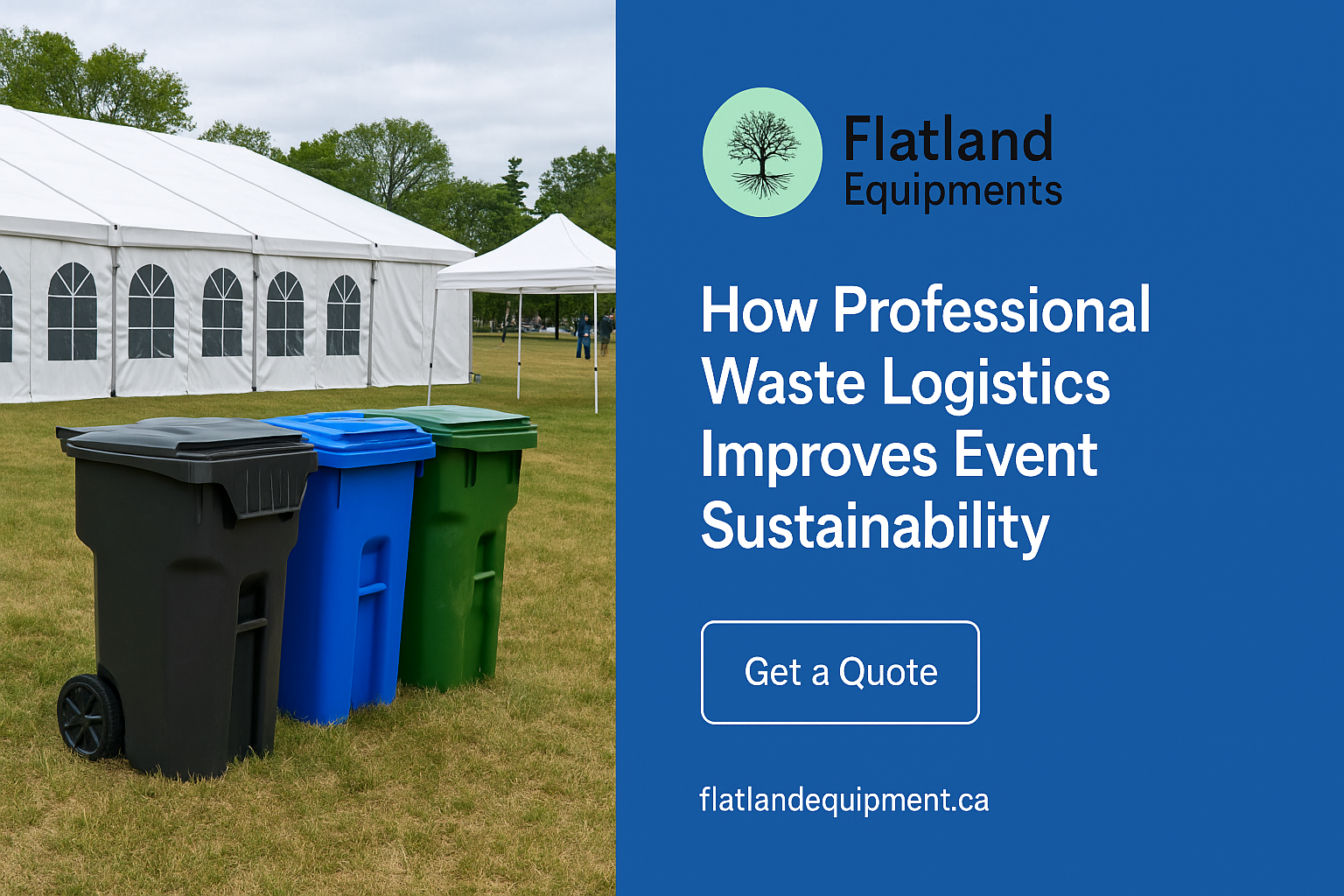
Clean Event Execution Starts with a Smarter Waste Plan
Every event creates waste.
The difference between a clean, organized event and a costly cleanup problem often comes down to one thing:
Professional waste logistics.
Whether you’re planning:
🏢 A corporate event
🎪 A community festival
🎬 A film or television production
🏗 A construction-related activation
🏛 A municipal gathering
A structured waste management plan helps keep the site clean, safe, compliant, and environmentally responsible.
For organizations across Winnipeg, professional waste logistics has become a critical part of successful event planning.
Sustainability Starts Before Event Day
Many organizations think sustainability begins with recycling bins.
In reality, it starts much earlier.
It begins during the planning process.
Successful event sustainability requires:
✔ Proper waste station placement
✔ Recycling and diversion planning
✔ Cleanup scheduling
✔ Smoking area management
✔ Weather considerations
✔ Site flow coordination
When these systems work together, sustainability becomes easier to achieve and easier to maintain.
Why Waste Logistics Matters
Waste management affects more than cleanliness.
It impacts:
⚠ Site safety
💰 Budget control
📋 Compliance
👥 Guest experience
🏢 Brand reputation
♻ Sustainability performance
Poorly managed waste creates problems quickly.
Overflowing containers.
Blocked walkways.
Littered grounds.
Smoking waste accumulation.
Recycling contamination.
Professional waste logistics helps prevent these issues before they happen.
Sustainability Improves When Waste Is Managed at the Source
The most effective waste management systems make it easy for people to do the right thing.
When waste stations are convenient and clearly marked, recycling participation improves dramatically.
Smart Waste Stations Include:
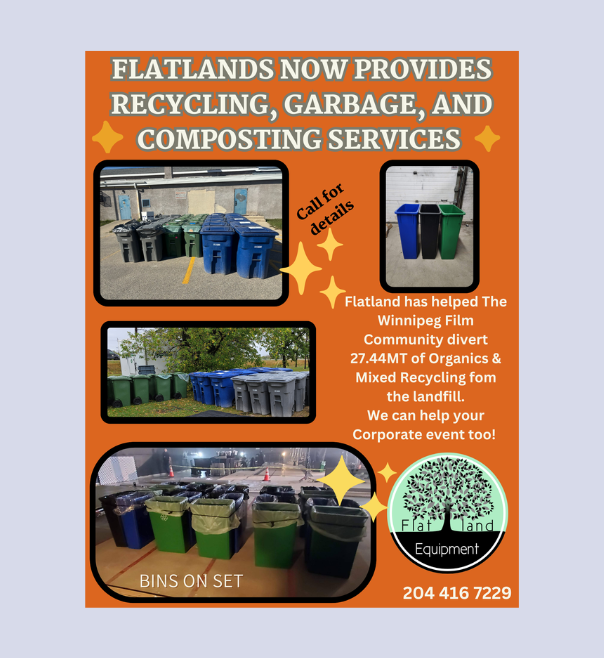
🗑 Garbage Cans
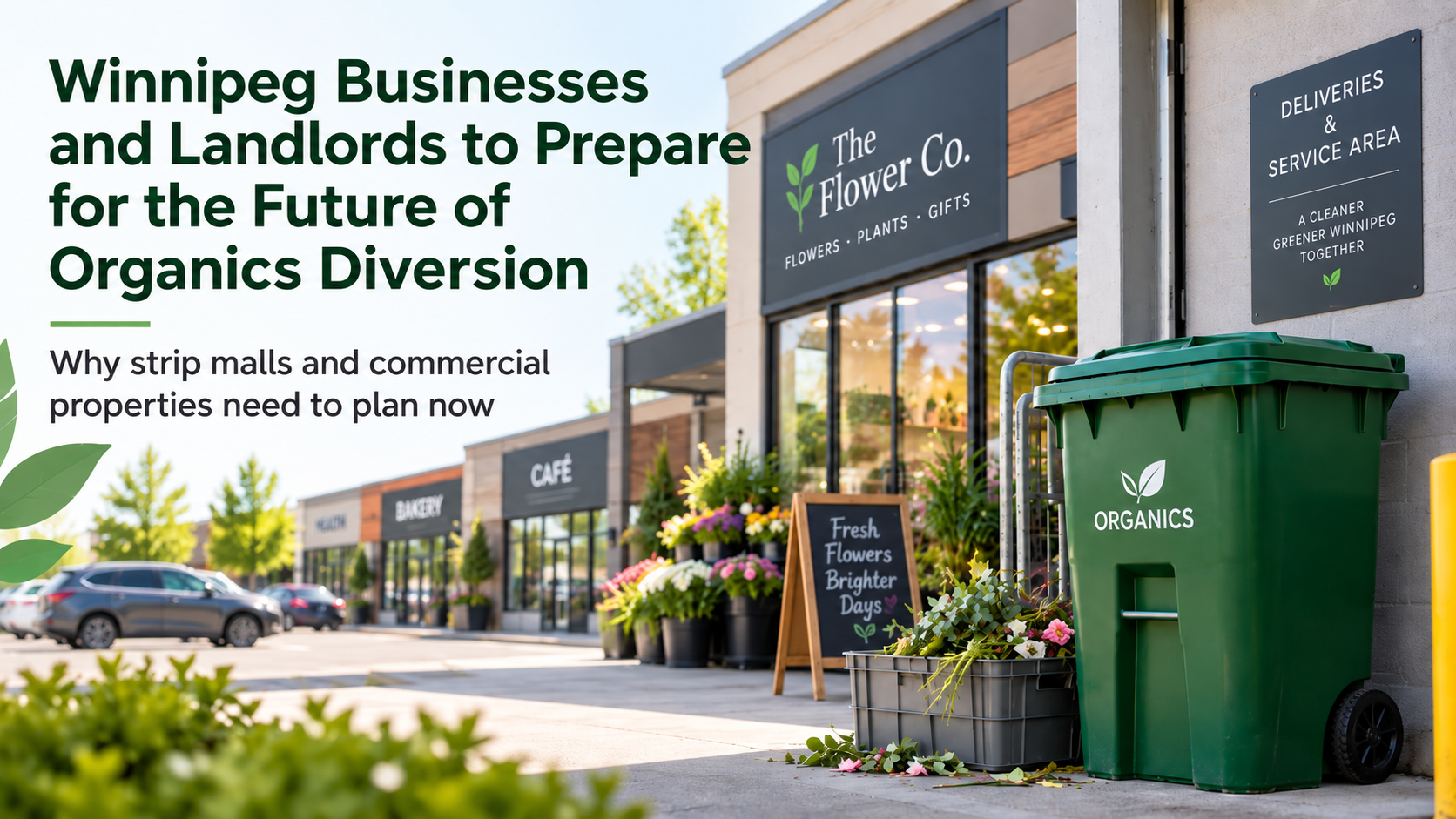
♻ Recycling Bins
🚬 Butt Buckets
🪣 Galvanized Pails
🧹 Garbage Pickers
Each piece of equipment serves a specific purpose and helps create a cleaner, more organized event environment.
Better Recycling Starts with Better Placement
Recycling programs only work when they’re easy to use.
The best-performing events place waste stations near:
🍔 Food service areas
🚪 Entrances and exits
🪑 Seating zones
🎪 Vendor areas
🎬 Production compounds
👷 Staff break locations
When recycling and garbage containers are grouped together consistently across the site, contamination rates decrease and diversion rates improve.
Corporate Events Need More Than Basic Bin Placement
For corporate planners, HR teams, facility managers, and operations leaders, waste management is part of the overall event experience.
Professional waste logistics goes beyond simply delivering containers.
It involves:
✔ Site assessment
✔ Inventory planning
✔ Traffic flow analysis
✔ Cleanup scheduling
✔ Teardown coordination
✔ Environmental control planning
The result is a cleaner site and a smoother event.
Risk Reduction Is a Sustainability Strategy
Many people associate sustainability only with recycling.
But sustainability also includes safety, efficiency, and responsible operations.
A clean event site reduces:
⚠ Slip hazards
⚠ Trip hazards
⚠ Fire risks
⚠ Public complaints
⚠ Operational disruptions
⚠ Emergency cleanup costs
This is why environmental responsibility has become a key component of risk management.
Film Productions, Festivals, and Public Events Require Flexible Support
Every event operates differently.
Film productions deal with changing schedules and multiple departments.
Festivals experience fluctuating attendance and heavy traffic.
Municipal events often involve public access and compliance requirements.
A flexible waste management system allows organizations to adapt without sacrificing cleanliness or sustainability goals.
Common Event Applications
🎬 Film & Television Productions
🎪 Festivals & Community Events
🏢 Corporate Gatherings
🏛 Municipal Activations
🏗 Construction-Related Events
🎵 Outdoor Concerts
🚚 Temporary Staging Areas
Each environment requires a customized approach to waste logistics.
Manitoba Weather Creates Additional Challenges
Anyone planning events in Winnipeg understands how quickly conditions can change.
A beautiful morning can become:
🌧 Rainy
🌬 Windy
🥶 Cold
within a matter of hours.
Weather impacts:
✔ Waste containment
✔ Recycling effectiveness
✔ Site cleanliness
✔ Safety conditions
✔ Servicing requirements
Planning for weather is a critical part of sustainable event management.
Fall and Winter Events Require Stronger Environmental Controls
Cold weather creates unique waste management challenges.
Wet cardboard.
Windblown litter.
Frozen containers.
Slippery disposal areas.
Without proper planning, these issues can affect both safety and event presentation.
Best Practices for Seasonal Events
✔ Increase servicing frequency
✔ Protect paper recycling from moisture
✔ Secure lightweight materials
✔ Maintain clear pedestrian access
✔ Monitor smoking areas
✔ Plan for snow and ice accumulation
A proactive approach keeps sites cleaner and safer throughout the event.
Multi-Day Events Need Ongoing Support
Waste volumes increase significantly during:
🎪 Festivals
🎬 Film productions
🏢 Conferences
🏛 Municipal programs
🏗 Long-duration projects
Without ongoing servicing, waste quickly becomes difficult to manage.
Multi-Day Support Helps Maintain
✔ Cleanliness standards
✔ Sustainability goals
✔ Safety requirements
✔ Professional appearance
✔ Regulatory compliance
Consistency is often what separates successful events from problematic ones.
Better Waste Planning Protects the Budget
Waste management should be viewed as an operational investment.
Not an afterthought.
Professional planning helps reduce:
💰 Overtime labour
💰 Emergency service calls
💰 Cleanup delays
💰 Venue penalties
💰 Property damage
💰 Supply shortages
The earlier waste planning is integrated into the event plan, the easier it becomes to control costs.
Waste Logistics Works Best When Site Planning Works Together
Waste management should be integrated into the overall event layout.
This includes:
✔ Guest flow
✔ Vendor placement
✔ Entrances and exits
✔ Service corridors
✔ Covered gathering spaces
For larger outdoor events, many planners coordinate waste logistics with shelter and infrastructure planning.
Flatland can help support both through its corporate event solutions and tent rental services:
https://flatlandequipment.ca/contact-us-page/?utm_source=chatgpt.com
A coordinated site plan improves efficiency and creates a better guest experience.
A Simple Sustainability Checklist for Event Planners
Before your event begins, ask:
✔ Have waste stations been planned?
✔ Are recycling stations paired with garbage stations?
✔ Have smoking areas been equipped properly?
✔ Is there a servicing schedule?
✔ Has weather been considered?
✔ Are cleanup tools available?
✔ Is teardown included in the plan?
If the answer is yes, you’re already ahead of most events.
Why Organizations Choose Flatland
Flatland helps Winnipeg organizations build cleaner, safer, and more sustainable event sites.
Our services include:
✔ Garbage can rentals
✔ Recycling stations
✔ Butt buckets
✔ Galvanized pails
✔ Garbage picker rentals
✔ Traffic control equipment
✔ Multi-day support
✔ Seasonal planning assistance
✔ Environmental control solutions
Our goal is simple:
Help clients create events that are clean, compliant, professional, and environmentally responsible.
Service Areas
Flatland proudly supports Winnipeg and surrounding Manitoba communities.
Whether you’re planning a corporate event, municipal operation, festival, film production, industrial project, or seasonal activation, our team can help develop a waste management strategy that works.
Plan Ahead Before Event Season Gets Busy
The most successful events begin with strong planning.
Waste management should be part of that process from the start.
Early planning helps protect:
✔ Your budget
✔ Your guests
✔ Your staff
✔ Your sustainability goals
✔ Your event timeline
📞 Call Flatland Equipment today at (204) 416-7229
🌐 https://flatlandequipment.ca/
Let’s build a cleaner, safer, and more sustainable event together.